Tag: discipleship

  • Daily Devotional Insights: Truth's Liberation

    Daily Devotional & Prayer Guide

    John 8:32 – Truth’s Liberation

    "Then you will know the truth, and the truth will set you free.’"

    Truthful Freedom

    Theological Themes

    Truth, Freedom, Knowing God, Redemption, Holy Spirit

    Centring Prayer

    Jesus, You are my truth, my freedom.

    Short Prayer

    Father, we thank You for Your liberating truth, revealed most fully in Your Son, Jesus Christ. Help us to truly know Him, not just as a historical figure, but as the living Truth that sets us free from all deception and bondage. Grant us the courage to embrace Your Word, allowing it to shape our minds and hearts. May we live boldly in the freedom You have so graciously given us, reflecting Your love and light to a world in need. Amen.

    Concise Commentary

    In a world often clouded by deception and confusion, Jesus offers a profound promise: knowing the truth leads to genuine freedom. This isn’t just intellectual assent to facts, but a deep, relational understanding of God’s reality, revealed through Christ. This truth liberates us from the bondage of sin, fear, and the destructive patterns that hold us captive. When we truly encounter and embrace the truth of who God is and what He has done for us in Christ, we are unshackled from the lies that bind us, empowered to live lives of purpose and liberty in Him. It’s a continuous journey of discovering and living in His liberating reality.

    Reflection

    The promise that truth sets us free is incredibly powerful. It implies that there are things holding us captive, forms of bondage we may not even fully recognise. I wonder, what ‘truths’ of the world am I unconsciously adhering to that might be hindering my freedom in Christ? Is my understanding of freedom solely about external circumstances, or does it encompass the inner liberation Jesus speaks of? How does knowing Jesus, the Truth, practically dismantle the lies that bind me?

    Affirmation

    I am free because I know the truth of Jesus Christ, and His truth has liberated me.

    Action Step

    Identify one area in your life where you feel enslaved by a lie or a negative pattern, and commit to meditating on the truth of God’s Word concerning that area today.

    Journaling Prompt

    Reflect on a time when you experienced the liberating power of God’s truth in a tangible way. What was the situation, and how did God’s truth set you free?

    Daily Office of Prayer

    Morning Prayer

    Heavenly Father, on this day, I come before You acknowledging Your sovereign truth. You are the God who is, the God who reveals. I thank You for sending Your Son, Jesus Christ, who is the very embodiment of truth. He is the ‘new and living way’ into Your presence, the one through whom we find true liberation. As I begin this day, I pray that my heart would be open to Your truth, that my mind would be renewed by Your Word, and that my will would be steadfast in following Your commands. Free me from the lies that seek to ensnare me, from the anxieties that weigh me down, and from the pride that blinds me. Grant me the wisdom to discern Your truth in every situation and the courage to live by it, even when it is difficult. May my life be a testament to the freedom that is found only in You. Empower me by Your Spirit to walk in this freedom throughout this day, for Your glory and the advancement of Your kingdom. Amen.

    Midday Prayer

    Lord Jesus, as the day unfolds, I am reminded that You are the Truth that sustains me. So many voices clamour for my attention, pulling me in different directions, but Your voice calls me to freedom. I pray that in this moment, and throughout the remainder of this day, I may hold fast to the truth of who You are and what You have accomplished for me. Free me from the pressures of the world, from the temptation to compromise Your truth for the sake of comfort or acceptance, and from the discouragement that can come from struggling against sin. Help me to remember that in You, I am already forgiven, already loved, and already victorious. May this truth empower me to act with integrity, speak with kindness, and serve with joy, reflecting the liberty You have so freely given. Strengthen me by Your Spirit to live out this truth in all my dealings today. Amen.

    Evening Prayer

    Gracious God, as this day draws to a close, I turn my thoughts towards Your unfailing truth. I thank You for the journey through these hours, for the lessons learned, and for the ways Your truth has illuminated my path. I acknowledge that I am not always perfect in my pursuit of Your truth, and I ask for Your forgiveness for the times I have strayed, listened to lies, or failed to live in the freedom You offer. Thank You for Jesus, who is the Truth that conquers all deception and sets us eternally free. As I rest tonight, I pray that Your truth would settle deep within my soul, bringing peace and assurance. May I dream of Your promises and wake tomorrow ready to embrace another day of walking in the liberty of Your children. Thank You for Your faithfulness and for the enduring freedom found in You. Amen.

    Deep Dive Study

    Expanded Commentary

    Jesus speaks these powerful words in the context of a discourse about true discipleship. He has just stated, ‘If you hold to my teaching, you are really my disciples. Then you will know the truth, and the truth will set you free’ (John 8:31-32). The preceding verses reveal that many who believed in Jesus were still entangled in the bondage of sin, even while claiming belief. Jesus confronts this superficial faith, highlighting that true freedom comes not merely from acknowledging Him, but from a life lived in obedience to His teachings, a life rooted in His truth. The ‘truth’ Jesus refers to is not a neutral, abstract concept, but a living, dynamic reality embodied in Himself. He later declares, ‘I am the way and the truth and the life’ (John 14:6). Therefore, to know the truth is to know Jesus, to understand His identity, His mission, and the redemptive work He accomplishes. This knowledge is transformative because it is divinely revealed, often through the agency of the Holy Spirit, who is called the Spirit of Truth (John 14:17, 16:13). The truth that sets us free is the truth of God’s unfailing love, His sovereign power, His atoning sacrifice on the cross, and His glorious resurrection. It is the truth that counters the corrosive lies of the enemy, the lies that tell us we are not loved, not forgiven, or not valuable.

    The freedom Jesus offers is multifaceted. Firstly, it is freedom from the penalty of sin. Through Christ’s atoning sacrifice, our sins are forgiven, and we are no longer condemned by God’s righteous judgment. As Paul writes in Romans 8:1-2: ‘Therefore, there is now no condemnation for those who are in Christ Jesus, because through Christ Jesus the law of the Spirit who gives life has set you free from the law of sin and death.’ Secondly, it is freedom from the power of sin. The indwelling Holy Spirit empowers us to resist temptation and live lives that are increasingly conformed to Christ’s image. This doesn’t mean we never struggle, but we are no longer slaves to sin’s dominion. Thirdly, it is freedom from the fear of death and the unknown. Because Jesus conquered death, His followers can face the end of this life with assurance, knowing that eternal life awaits them. This profound freedom is not a passive experience; it requires an active engagement with God’s truth. It involves immersing ourselves in Scripture, meditating on God’s promises, and actively choosing to believe and obey what we learn. It is a continuous process of allowing the truth of God’s Word to reshape our thinking, our attitudes, and our actions. The enemies of this freedom are often subtle: ingrained habits, societal pressures, personal insecurities, and the persistent whispers of doubt that seek to ensnare us in familiar patterns of bondage.

    The application of this verse to our modern lives is profoundly relevant. We live in an age saturated with information, yet often starved of truth. Deceptive narratives abound in media, politics, and even within interpersonal relationships, leaving many feeling disoriented and captive to falsehoods. Jesus’ invitation to ‘know the truth’ is a call to anchor ourselves in His immutable Word, which stands as a beacon of light in a confusing world. This truth liberates us from the anxiety of constantly seeking external validation, from the pressure to conform to worldly standards, and from the guilt and shame that sin produces. When we embrace Christ’s truth, we find our identity secure in Him, not in fleeting circumstances or the opinions of others. This freedom also calls us to a greater responsibility. Having been set free, we are called to live lives that reflect this liberation, embodying Christ’s love and truth in our interactions. This might mean speaking truth with grace, standing against injustice, or offering forgiveness to those who have wronged us, mirroring the freedom we have received. Ultimately, the freedom Jesus offers is not just personal liberation, but a transformation that enables us to live for God and for others, reflecting His kingdom here on earth. It’s a journey from darkness into His marvellous light, from bondage into the glorious liberty of the children of God.

    Related Verses

    • John 8:31: ‘To the Jews who had believed him, Jesus said, “If you hold to my teaching, you are really my disciples.’
    • John 14:6: ‘Jesus answered, “I am the way and the truth and the life. No one comes to the Father except through me.’
    • Galatians 5:1: ‘It is for freedom that Christ has set us free. Stand firm, then, and do not let yourselves be burdened again by a yoke of slavery.’
    • Romans 8:2: ‘because through Christ Jesus the law of the Spirit who gives life has set you free from the law of sin and death.’
    • 1 John 5:6: ‘This is the one who came by water and blood, his life and death and resurrection. Not by water alone, but by water and the blood. And it is the Spirit who testifies, because the Spirit is truth.’
    • John 16:13: ‘But when he, the Spirit of truth, comes, he will guide you into all the truth. He will not speak on his own; he will speak only what he hears, and he will tell you what has yet to come.’
    • 2 Corinthians 3:17: ‘Now the Lord is the Spirit, and where the Spirit of the Lord is, there is freedom.’
    • Hebrews 10:19: ‘Therefore, brothers and sisters, since we have confidence to enter the most holy place by the blood of Jesus,’
    • Jeremiah 29:11: ‘For I know the plans I have for you,” declares the LORD, “plans to prosper you and not to harm you, plans to give you hope and a future.’
    • John 1:14: ‘The Word became flesh and made his dwelling among us. We have seen his glory, of the glory of the one and only Son, who came from the Father, full of grace and truth.’
  • Daily Devotional Insights: The Great Commandment

    Daily Devotional & Prayer Guide

    Deuteronomy 6.5 – The Great Commandment

    "Love the Lord your God with all your heart and with all your soul and with all your strength."

    Wholehearted Love

    Theological Themes

    Love of God, Complete Devotion, Divine Relationship

    Centring Prayer

    With all my heart, soul, and strength, I love You, Lord.

    Short Prayer

    Lord God, we confess that our love for You is often fragmented and incomplete. We pray for Your grace to love You with all our heart, embracing You with all our affections and desires. Help us to love You with all our soul, allowing Your truth to permeate our deepest identity and purpose. Grant us the strength to love You with all our might, directing our actions, our energy, and our resources towards Your glory. May our entire lives become a testament to Your supreme worthiness, Amen.

    Concise Commentary

    This verse calls us to an all-encompassing love for God, touching every part of our being: our emotions (‘heart’), our inner selves (‘soul’), and our actions (‘strength’). It’s not a passive affection but an active, vibrant devotion that colours every aspect of our lives. In today’s world, where distractions pull us in myriad directions, this command is a profound challenge. It asks us to prioritise our relationship with God above all else, integrating our faith into our work, our family life, our leisure, and our every decision. It’s about living a life that consistently reflects our deep-seated love for Him, making Him the central focus of our existence.

    Reflection

    This ancient command is startlingly relevant. How often do we give God only a fragment of our lives – a quick prayer before bed, a brief thought on Sunday morning? The call to love Him with our entire being – heart, soul, and strength – demands a re-evaluation of our priorities. It’s a call to integrate our faith into every single moment, transforming mundane tasks into acts of worship and challenging us to live authentically for Him in all circumstances. Are we truly offering Him everything, or just a carefully curated portion?

    Affirmation

    I will love the Lord my God with all that I am, for He is worthy of my complete devotion.

    Action Step

    Today, identify one area of your life where your commitment to God feels weak, and intentionally redirect your focus and energy towards loving Him more fully in that specific area.

    Journaling Prompt

    Consider where your heart, soul, and strength are primarily directed. How can you intentionally re-orient these aspects of your being more fully towards God this week?

    Daily Office of Prayer

    Morning Prayer

    Heavenly Father, as the sun rises, I bring my whole self before You. I pray that I may love You with all my heart today, aligning my emotions and desires with Your perfect will. May my affections be set on things above, cherishing Your presence and goodness above all worldly pursuits. Grant me the grace to love You with all my soul, allowing Your Spirit to shape my innermost being, transforming my thoughts, my motivations, and my deepest sense of identity. Help me to find my true rest and purpose in You alone. And Father, I pray that I may love You with all my strength, dedicating my energy, my talents, and all that I possess to Your service and glory. May my actions today be a reflection of my deep and unwavering devotion to You. Guide my steps, direct my words, and fill my mind with thoughts of You, that my life may be a living sacrifice, pleasing to You. In Jesus’ name I pray, Amen.

    Midday Prayer

    Lord God, at this midpoint of the day, I pause to re-centre my heart, soul, and strength upon You. The demands of the world can pull me in so many directions, and I confess my tendency to give You only partial attention. Today, I recommit myself to loving You fully. Help me, Lord, to refine my heart’s affections, ensuring they are fixed on Your eternal love rather than fleeting earthly desires. Strengthen my soul to remain steadfast in Your truth, resisting the world’s pressures to conform. Empower me with Your Spirit to use my strength wisely, to act justly, to love mercy, and to walk humbly with You in every task and interaction. May this day be one of wholehearted devotion, where every breath and every action is an expression of my love for You, my Creator and Redeemer. Amen.

    Evening Prayer

    Gracious God, as this day draws to a close, I reflect on Your goodness and the command to love You with all my heart, soul, and strength. I thank You for Your unfailing presence and for Your grace that enables me to turn towards You. Forgive me for the times today when my heart was divided, my soul wavered, or my strength was misdirected. Thank You for Your steadfast love that never fails, even when my own love is imperfect. I return to You now, offering the remainder of my day, and trusting You to renew me for the challenges and opportunities of tomorrow. May my sleep be peaceful, my dreams be filled with Your truth, and my spirit be at rest in Your unfailing love. Help me to continue growing in wholehearted devotion to You, my Lord and my King. In Jesus’ name, Amen.

    Deep Dive Study

    Expanded Commentary

    The command to ‘Love the Lord your God with all your heart and with all your soul and with all your strength’ is foundational to biblical faith. Found in Deuteronomy 6:5, it is reiterated by Jesus in Matthew 22:37 as the greatest commandment. This is not a suggestion but a divine imperative, laying the groundwork for our entire relationship with God.

    In its original context, Deuteronomy was spoken to the Israelites as they stood on the cusp of entering the Promised Land. Moses was reminding them of God’s covenant and the principles by which they were to live in this new era. This command to love God wholly was the heart of that covenant. It meant more than just adherence to laws; it was a call to a deep, intrinsic devotion that would shape their identity and their nation’s destiny.

    The Hebrew words used are significant. ‘Lev’ (heart) encompasses not only emotions but also intellect and will – our entire inner person. ‘Nefesh’ (soul) refers to the very essence of life, our deepest being. ‘Me’od’ (strength) signifies all our resources, physical, mental, and material. This is not a love that operates in isolation but one that permeates our entire existence, leaving no corner of our lives untouched. It requires a conscious, daily decision to orient our affections, thoughts, and actions towards God.

    This profound call to love God with our total being challenges the fragmented nature of modern life. We often compartmentalise our faith, keeping it separate from our daily routines, our careers, or our personal relationships. However, the command in Deuteronomy 6:5 insists that our love for God must be holistic. It’s about bringing our whole selves—our joys, our sorrows, our aspirations, our struggles—into our relationship with Him.

    Consider the ‘heart’. This involves our emotions, our passions, and our desires. Are we genuinely enthusiastic about God’s presence in our lives? Do we delight in His Word and His ways? Or are our deepest affections directed elsewhere? The command calls us to align our emotional landscape with our devotion to Him.

    Then there is the ‘soul’. This speaks to our innermost self, our identity, our very spirit. Loving God with all our soul means allowing Him to shape our fundamental being, to refine our character, and to give purpose to our existence. It’s about our soul finding its ultimate rest and fulfillment in Him.

    Finally, ‘strength’ encompasses everything we possess and can do. It means dedicating our physical energy, our mental capacities, our talents, and our resources to God’s purposes. This isn’t about self-denial for its own sake, but about redirecting our efforts from self-centred pursuits to kingdom-building activities. It means living generously, working diligently, and using our abilities to honour Him. This total surrender is the essence of true worship and discipleship.

    Applying this command in contemporary life requires intentionality. It means actively seeking God in prayer and scripture, not as a ritual, but as a genuine engagement with our Beloved. It involves making choices that honour God, even when they are difficult or unpopular. For instance, in our workplaces, ‘loving God with all our strength’ might mean acting with integrity, treating colleagues with respect, and pursuing excellence as an act of worship, rather than simply striving for personal gain.

    In our family life, it translates to cultivating relationships built on love, patience, and forgiveness, reflecting God’s own character. It means teaching our children to love God, not just through words, but through our example. In our personal time, it means choosing activities that nourish our soul and draw us closer to Him, rather than those that drain us or pull us away from Him.

    This total devotion isn’t about achieving perfection overnight; it’s about a consistent, growing commitment. It is a journey of re-orienting our entire lives towards God, understanding that our deepest joy and purpose are found in loving Him completely. It is the ultimate expression of gratitude for His boundless love for us, a love demonstrated most profoundly in the sacrifice of Jesus Christ.

    Related Verses

    • Deuteronomy 10.12: "Now what does the Lord your God ask of you? To fear the Lord your God, to walk in obedience to him, to love him to serve the Lord your God with all your heart and with all your soul"
    • Matthew 22.37: "Jesus replied: ‘“Love the Lord your God with all your heart and with all your soul and with all your mind.”’
    • Mark 12.30: "Love the Lord your God with all your heart and with all your soul and with all your mind and with all your strength.”’
    • Luke 10.27: "He answered, ‘“Love the Lord your God with all your heart and with all your soul and with all your strength and with all your mind”; and, “Love your neighbour as yourself.”’
    • Philippians 3.10: "I want to know Christ and the power of his resurrection and the sharing of his sufferings, becoming like him in his death"
    • Colossians 3.23: "Whatever you do, work at it with all your heart, as working for the Lord, not for human masters"
    • 1 John 4.19: "We love because he first loved us."

  • Romans 5:1-8 and Matthew 9:35-10:8

    Romans 5:1-8 and Matthew 9:35-10:8

    Introduction

    Beloved in Christ, today we find ourselves in Romans 5:1-8 and Matthew 9:35-10:8. These passages invite us to explore the depth of God’s love demonstrated through Christ and our call to participate in His ministry of healing and restoration.

    Main Focus: God’s Love and Our Call to Ministry

    Our focus is twofold: First, we’ll delve into the nature of God’s love, revealed through Christ’s sacrifice. Second, we’ll reflect on our participation in Christ’s ministry as His hands and feet in today’s world.

    Jesus Christ’s sacrificial love transcends time; he prayed for us.

    Context and Insight

    In Romans 5, Paul speaks of the transformative power of God’s love, demonstrated in Christ’s death for us while we were still sinners. This love brings us into a state of grace and peace with God.

    Peace and Hope
    Therefore, since we have been justified through faith, we[a] have peace with God through our Lord Jesus Christ, through whom we have gained access by faith into this grace in which we now stand. And we[b] boast in the hope of the glory of God. Not only so, but we[c] also glory in our sufferings, because we know that suffering produces perseverance; perseverance, character; and character, hope. And hope does not put us to shame, because God’s love has been poured out into our hearts through the Holy Spirit, who has been given to us.
    You see, at just the right time, when we were still powerless, Christ died for the ungodly. Very rarely will anyone die for a righteous person, though for a good person someone might possibly dare to die. But God demonstrates his own love for us in this: While we were still sinners, Christ died for us.
    Footnotes
    a. Romans 5:1 Many manuscripts let us
    b. Romans 5:2 Or let us
    c. Romans 5:3 Or let us

    Romans 5:1-8

    In Matthew 9 and 10, we see Jesus moved with compassion for the crowds, healing their diseases and driving out impurities. He then commissions His disciples, extending His ministry of love and healing through them.

    The Workers Are Few
    35 Jesus went through all the towns and villages, teaching in their synagogues, proclaiming the good news of the kingdom and healing every disease and sickness. 36 When he saw the crowds, he had compassion on them, because they were harassed and helpless, like sheep without a shepherd. 37 Then he said to his disciples, “The harvest is plentiful but the workers are few. 38 Ask the Lord of the harvest, therefore, to send out workers into his harvest field.”
    Jesus Sends Out the Twelve
    10 Jesus called his twelve disciples to him and gave them authority to drive out impure spirits and to heal every disease and sickness.
    These are the names of the twelve apostles: first, Simon (who is called Peter) and his brother Andrew; James son of Zebedee, and his brother John; Philip and Bartholomew; Thomas and Matthew the tax collector; James son of Alphaeus, and Thaddaeus; Simon the Zealot and Judas Iscariot, who betrayed him.
    These twelve Jesus sent out with the following instructions: “Do not go among the Gentiles or enter any town of the Samaritans. Go rather to the lost sheep of Israel. As you go, proclaim this message: ‘The kingdom of heaven has come near.’ Heal the sick, raise the dead, cleanse those who have leprosy,[a] drive out demons. Freely you have received; freely give.
    Footnotes
    a. Matthew 10:8 The Greek word traditionally translated leprosy was used for various diseases affecting the skin.

    Matthew 9:35-10:8

    Additional Supporting Bible Verses

    “This is how we know what love is: Jesus Christ laid down his life for us.
    And we ought to lay down our lives for our brothers and sisters.”

    1 John 3:16

    Body

    The Love of God Revealed

    In Romans, Paul assures us that God’s love is demonstrated in Christ’s sacrifice. Christ died for us while we were still sinners, an act of incomprehensible love that brings us peace and grace. This is the love that transforms lives and hearts.

    Our Call to Ministry

    Matthew’s account depicts Jesus’ compassion for the people, healing and purifying them. This compassion extends to us all. But it also comes with a calling. Just as Jesus commissioned His disciples, we, too, are commissioned to heal, drive out impurities, and proclaim the kingdom of God.

    Conclusion

    As we reflect on these scriptures, let us recognize the magnitude of God’s love and our call to participate in Christ’s ministry. May we emulate His compassion, extending healing and love to those around us, and thus participate in the coming of God’s kingdom. Amen.

  • Acts 11 v19-end and John 15 v12-17

    Acts 11 v19-end and John 15 v12-17

    Introduction

    Beloved, today our reflection centres on Acts 11:19-end and John 15:12-17. Both passages call us to embrace God’s expansive love and extend that love to others as part of our Christian mission.

    Main Focus: Love as the Core of Our Mission

    The main theme of these passages is the fundamental commandment to love one another. We will delve into understanding love not merely as an emotion but as the core of our mission and identity as followers of Christ.

    Context and Insight

    In Acts 11, the Gospel spreads beyond Jerusalem, even reaching the Gentiles. This extension of God’s love to all people models the expansiveness of Christian love and mission.

    The Church in Antioch
    19 Now those who had been scattered by the persecution that broke out when Stephen was killed traveled as far as Phoenicia, Cyprus and Antioch, spreading the word only among Jews. 20 Some of them, however, men from Cyprus and Cyrene, went to Antioch and began to speak to Greeks also, telling them the good news about the Lord Jesus. 21 The Lord’s hand was with them, and a great number of people believed and turned to the Lord.
    22 News of this reached the church in Jerusalem, and they sent Barnabas to Antioch. 23 When he arrived and saw what the grace of God had done, he was glad and encouraged them all to remain true to the Lord with all their hearts. 24 He was a good man, full of the Holy Spirit and faith, and a great number of people were brought to the Lord.
    25 Then Barnabas went to Tarsus to look for Saul, 26 and when he found him, he brought him to Antioch. So for a whole year Barnabas and Saul met with the church and taught great numbers of people. The disciples were called Christians first at Antioch.
    27 During this time some prophets came down from Jerusalem to Antioch. 28 One of them, named Agabus, stood up and through the Spirit predicted that a severe famine would spread over the entire Roman world. (This happened during the reign of Claudius.) 29 The disciples, as each one was able, decided to provide help for the brothers and sisters living in Judea. 30 This they did, sending their gift to the elders by Barnabas and Saul.

    Acts 11:19-30

    In John 15, Jesus redefines the relationship with His disciples, calling them friends and commanding them to love one another. This love is the hallmark of their (and our) discipleship.

    12 My command is this: Love each other as I have loved you. 13 Greater love has no one than this: to lay down one’s life for one’s friends. 14 You are my friends if you do what I command. 15 I no longer call you servants, because a servant does not know his master’s business. Instead, I have called you friends, for everything that I learned from my Father I have made known to you. 16 You did not choose me, but I chose you and appointed you so that you might go and bear fruit—fruit that will last—and so that whatever you ask in my name the Father will give you. 17 This is my command: Love each other.

    John 15:12-17
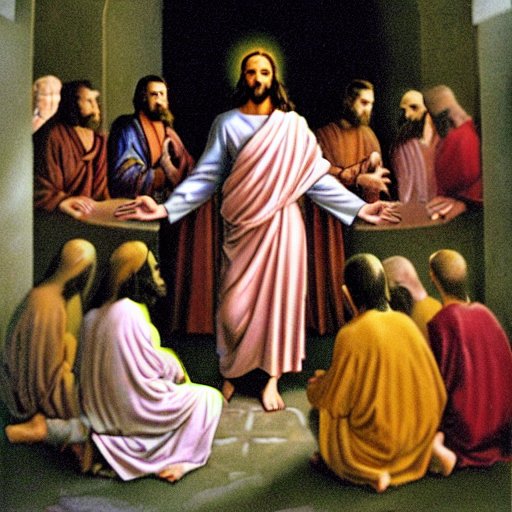
    Jesus amidst his disciples, conveying his profound teachings with love and wisdom.

    Additional Supporting Bible Verses

    “Dear friends, let us love one another, for love comes from God. Everyone who loves has been born of God and knows God.”

    1 John 4:7

    Body

    Love: A Command and a Mission

    In John 15, Jesus gives us a new command: to love one another. But this isn’t simply about feeling affection. It’s about selflessly acting for the good of others, just as Jesus laid down His life for us. This love should define our relationships within the church and our interactions with the world.

    The Expansiveness of God’s Love

    The spread of the Gospel to the Gentiles, as narrated in Acts 11, shows the expansiveness of God’s love. It’s a love that doesn’t discriminate or exclude but embraces all. As we seek to love like Jesus, we are called to love without boundaries.

    Conclusion

    As we reflect on these passages, let’s strive to embody the love that Jesus commands us to have. A love that acts for the good of others crosses borders and barriers and forms the core of our Christian mission. Amen.

    chatGPT

  • 2 Corinthians 13 v11-end, Matthew 28 v16-end

    2 Corinthians 13 v11-end, Matthew 28 v16-end

    Introduction

    Beloved, today we are exploring the final instructions given in 2 Corinthians 13 and the Great Commission as narrated in Matthew 28. Both passages guide us towards unity, maturity in Christ, and our shared mission as Christians.

    Main Focus: Unity, Maturity, and Mission

    The essence of these passages revolves around the themes of unity among believers, maturity in Christ, and the shared mission to make disciples of all nations. As we delve into these scriptures, we’ll see how these themes are interwoven and integral to our Christian journey.

    Context and Insight

    In 2 Corinthians 13, Paul concludes his letter to the Corinthian church with a final exhortation to unity, maturity, and peace. He encourages them to live in harmony and to mature in their faith.

    In Matthew 28, we find the risen Jesus commissioning His disciples to spread His teachings to all nations, baptizing them and teaching them to obey all He commanded. This passage encapsulates the heart of Christian mission and discipleship.

    Additional Supporting Bible Verses

    “Until we all reach unity in the faith and in the knowledge of the Son of God and become mature, attaining to the whole measure of the fullness of Christ.”

    Ephesians 4:13

    Body

    Unity Among Believers

    Paul’s urging for the Corinthians to “live in peace” calls us to pursue unity in our communities. Christian unity is not merely about avoiding conflict; it’s about actively seeking reconciliation, understanding, and love in our relationships, reflecting the peace of Christ in our interactions.

    Maturity in Christ

    Both passages also point us towards spiritual maturity. Paul urges the Corinthians to “aim for perfection.” Similarly, in fulfilling the Great Commission, we grow into maturity as we learn to obey all of Christ’s teachings. This journey towards maturity is a lifelong process of becoming more Christ-like in our thoughts, words, and deeds.

    The Great Commission

    Matthew’s account of the Great Commission is a powerful reminder of our shared mission. As followers of Christ, we are called to make disciples, baptise them and teach them to obey Christ’s commandments. This isn’t just a task for a select few; it’s the calling of every believer.

    Conclusion

    In reflection, may we strive for unity in our communities, aim for spiritual maturity, and embrace our shared mission to make disciples of all nations. As we seek to live out these principles, we participate in the grand narrative of God’s work in the world, fulfilling our purpose as followers of Christ. Amen.

    chatGPT

  • Acts 2-1-21 and John 7.37-39

    Acts 2-1-21 and John 7.37-39

    Introduction

    Dear brothers and sisters in Christ, we gather today to meditate on the Word of God as revealed in Acts 2:1-21 and John 7:37-39. These passages reveal the powerful work of the Holy Spirit in the early church and in the life of believers. As we explore these texts, we will focus on the transforming power of the Holy Spirit and the invitation to be Spirit-filled disciples of Christ.

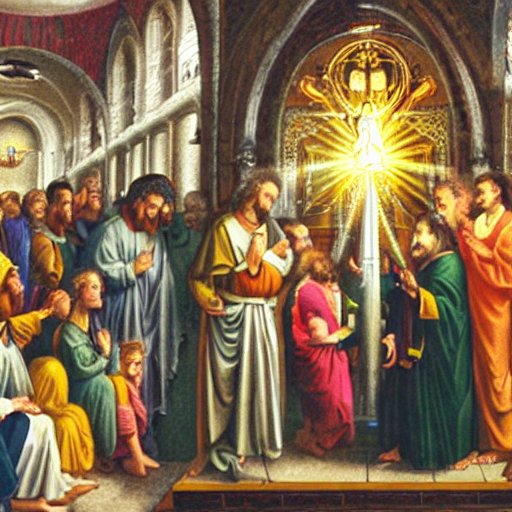
    Emotion: the power of the Holy Spirit descends upon us

    Main Focus: The Transforming Power of the Holy Spirit

    Both passages highlight the transformative work of the Holy Spirit in believers’ lives. In Acts, we witness the dramatic outpouring of the Holy Spirit at Pentecost, empowering the apostles to boldly proclaim the Gospel. In John, Jesus promises the indwelling of the Holy Spirit, depicting it as living water that brings life and refreshment.

    Context and Insight

    In Acts 2, the disciples are gathered in Jerusalem for the feast of Pentecost, a Jewish holiday that took place fifty days after Passover. During this gathering, the Holy Spirit descended upon them, enabling them to speak in various languages and boldly proclaim the works of God. This event marked the Church’s birth and its global mission’s commencement.

    In John 7, Jesus is at the Feast of Tabernacles, a Jewish festival characterized by joy and thanksgiving for God’s provision. He uses the imagery of living water, an essential resource symbolizing life and renewal, to describe the work of the Holy Spirit that believers would experience.

    Additional Supporting Bible Verses

    “In the same way, the Spirit helps us in our weakness. We do not know what we ought to pray for, but the Spirit himself intercedes for us through wordless groans.”

    Romans 8:26

    Body

    The Outpouring of the Holy Spirit

    The event at Pentecost, as depicted in Acts 2, demonstrates the transformative power of the Holy Spirit. The disciples, once ordinary men, were empowered to proclaim God’s deeds in various languages, signifying the universal nature of the Gospel. As we surrender our lives to Christ, we, too, receive the Holy Spirit, who empowers us to live as witnesses of Christ’s resurrection.

    The Indwelling of the Holy Spirit

    In John 7, Jesus promises His followers the Holy Spirit, depicted as a stream of living water flowing within believers. This living water symbolizes the Holy Spirit’s refreshing and life-giving presence, bringing spiritual nourishment, transformation, and renewal to our lives. As we trust in Jesus, the Holy Spirit works within us, leading us towards a deeper relationship with God.

    Conclusion

    As we reflect on these passages, let us be reminded of the vital role of the Holy Spirit in our lives. Let us strive to be continually filled with the Spirit, allowing His transformative power to guide us in our journey of faith. As Spirit-filled disciples of Christ, we are empowered to live out the Gospel and bear witness to God’s love and grace in our world. Amen.

    chatGPT

  • Acts 17.22-31 and John 14.15-21

    Acts 17.22-31 and John 14.15-21

    Introduction

    Dear brothers and sisters in Christ, today we gather to reflect on a powerful message in the Bible passages Acts 17:22-31 and John 14:15-21. As we delve into these passages, let us explore the main focus of our sermon: the personal relationship with God through faith, obedience, and the guidance of the Holy Spirit. We will use our knowledge of Christian theology and the Bible to provide context and insight into these verses. Additionally, we will incorporate supporting passages that further illuminate the main focus of our sermon. Our sermon will be structured with a clear introduction, body, and conclusion, with HTML formatting to enhance presentation and readability.

    Main Focus: Personal Relationship with God through Faith, Obedience, and the Holy Spirit

    In Acts 17:22-31, we witness the Apostle Paul addressing the Athenians at the Areopagus, proclaiming the true identity of the “unknown god” they worshipped. In John 14:15-21, Jesus teaches His disciples about the importance of obedience and love in their relationship with God and promises the coming of the Holy Spirit, the Comforter.

    Context and Insight

    In Acts 17, Paul is in Athens, a city renowned for its philosophical and religious debates. He seizes the opportunity to reveal the identity of the true God to the Athenians, emphasising God’s desire for a personal relationship with His creation. Paul encourages them to turn away from their worship of idols and embrace faith in Jesus Christ.

    In John 14, Jesus speaks to His disciples during the Last Supper, preparing them for His imminent departure. He emphasises the importance of love and obedience in their relationship with God. He promises the coming of the Holy Spirit, who will guide and strengthen them in their spiritual journey.

    Additional Supporting Bible Verses

    “For those who are led by the Spirit of God are the children of God. The Spirit you received does not make you slaves so that you live in fear again; rather, the Spirit you received brought about your adoption to sonship. And by him, we cry, ‘Abba, Father.’ The Spirit himself testifies with our spirit that we are God’s children. Now if we are children, then we are heirs—heirs of God and co-heirs with Christ, if indeed we share in his sufferings in order that we may also share in his glory.”

    Romans 8:14-17

    Introduction to the Sermon

    Dear brothers and sisters, let us delve deeper into the passages from Acts and John, exploring how we can deepen our relationship with God through faith, obedience, and the guidance of the Holy Spirit.

    Seeking God through Faith and Repentance

    In Acts 17:22-31, Paul encourages the Athenians to seek God through faith and repentance. We must also recognise our need for God’s grace and embrace a personal relationship with Him, built on faith and trust in Jesus Christ.

    Love and Obedience: The Foundation of Our Relationship with God

    In John 14:15-21, Jesus emphasises that love and obedience are essential for a deep relationship with God. As followers of Christ, we must strive to obey His commandments and live according to His teachings, allowing the Holy Spirit to dwell within us.

    The Holy Spirit: Our Guide and Comforter

    Jesus promises that those who love Him and obey His commandments will receive the Holy Spirit (John 14:15-17). The Holy Spirit serves as our Guide and Comforter, empowering us to grow in our relationship with God and navigate the challenges of our spiritual journey. The presence of the Holy Spirit within us helps us discern God’s will, deepening our understanding of His truth and enabling us to bear the fruit of the Spirit (Galatians 5:22-23).

    Practical Applications

    Cultivating an Authentic Relationship with God

    As believers, we should seek to cultivate an authentic relationship with God by spending time in prayer, reading and meditating on His Word, and engaging in fellowship with other believers. By nurturing our relationship with God, we can grow in our faith and experience the transformative power of the Holy Spirit in our lives.

    Embracing a Lifestyle of Obedience

    Obedience to God’s commandments is a tangible expression of our love for Him. To deepen our relationship with God, we must strive to align our lives with His will, embracing a lifestyle of obedience that reflects our commitment to Him.

    Seeking the Guidance of the Holy Spirit

    In our spiritual journey, it is essential to seek the guidance of the Holy Spirit. As believers, we must be open to the promptings of the Holy Spirit, allowing Him to direct our paths and mould our character according to the likeness of Christ.

    Conclusion

    Dear brothers and sisters in Christ, let us remember the powerful message found in Acts 17:22-31 and John 14:15-21. May we endeavour to deepen our personal relationship with God through faith, obedience, and the guidance of the Holy Spirit. As we grow in our understanding of God’s truth and embrace His presence in our lives, we will be better equipped to face the challenges of our spiritual journey and fulfil our divine purpose as followers of Jesus Christ. Amen.