Romans 5:1-8 and Matthew 9:35-10:8

Introduction

Beloved in Christ, today we find ourselves in Romans 5:1-8 and Matthew 9:35-10:8. These passages invite us to explore the depth of God’s love demonstrated through Christ and our call to participate in His ministry of healing and restoration.

Main Focus: God’s Love and Our Call to Ministry

Our focus is twofold: First, we’ll delve into the nature of God’s love, revealed through Christ’s sacrifice. Second, we’ll reflect on our participation in Christ’s ministry as His hands and feet in today’s world.

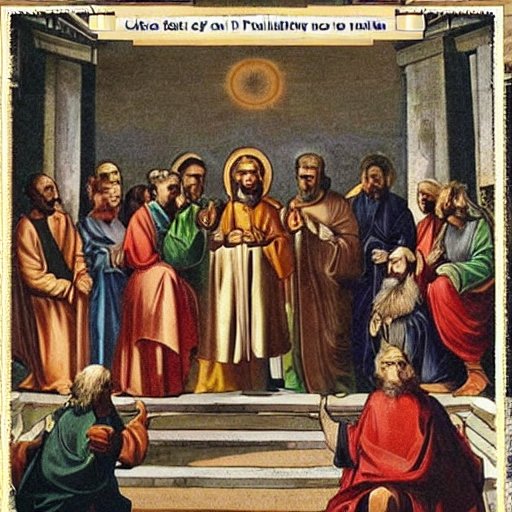
Jesus Christ’s sacrificial love transcends time; he prayed for us.

Context and Insight

In Romans 5, Paul speaks of the transformative power of God’s love, demonstrated in Christ’s death for us while we were still sinners. This love brings us into a state of grace and peace with God.

Peace and Hope
Therefore, since we have been justified through faith, we[a] have peace with God through our Lord Jesus Christ, through whom we have gained access by faith into this grace in which we now stand. And we[b] boast in the hope of the glory of God. Not only so, but we[c] also glory in our sufferings, because we know that suffering produces perseverance; perseverance, character; and character, hope. And hope does not put us to shame, because God’s love has been poured out into our hearts through the Holy Spirit, who has been given to us.
You see, at just the right time, when we were still powerless, Christ died for the ungodly. Very rarely will anyone die for a righteous person, though for a good person someone might possibly dare to die. But God demonstrates his own love for us in this: While we were still sinners, Christ died for us.
Footnotes
a. Romans 5:1 Many manuscripts let us
b. Romans 5:2 Or let us
c. Romans 5:3 Or let us

Romans 5:1-8

In Matthew 9 and 10, we see Jesus moved with compassion for the crowds, healing their diseases and driving out impurities. He then commissions His disciples, extending His ministry of love and healing through them.

The Workers Are Few
35 Jesus went through all the towns and villages, teaching in their synagogues, proclaiming the good news of the kingdom and healing every disease and sickness. 36 When he saw the crowds, he had compassion on them, because they were harassed and helpless, like sheep without a shepherd. 37 Then he said to his disciples, “The harvest is plentiful but the workers are few. 38 Ask the Lord of the harvest, therefore, to send out workers into his harvest field.”
Jesus Sends Out the Twelve
10 Jesus called his twelve disciples to him and gave them authority to drive out impure spirits and to heal every disease and sickness.
These are the names of the twelve apostles: first, Simon (who is called Peter) and his brother Andrew; James son of Zebedee, and his brother John; Philip and Bartholomew; Thomas and Matthew the tax collector; James son of Alphaeus, and Thaddaeus; Simon the Zealot and Judas Iscariot, who betrayed him.
These twelve Jesus sent out with the following instructions: “Do not go among the Gentiles or enter any town of the Samaritans. Go rather to the lost sheep of Israel. As you go, proclaim this message: ‘The kingdom of heaven has come near.’ Heal the sick, raise the dead, cleanse those who have leprosy,[a] drive out demons. Freely you have received; freely give.
Footnotes
a. Matthew 10:8 The Greek word traditionally translated leprosy was used for various diseases affecting the skin.

Matthew 9:35-10:8

Additional Supporting Bible Verses

“This is how we know what love is: Jesus Christ laid down his life for us.
And we ought to lay down our lives for our brothers and sisters.”

1 John 3:16

Body

The Love of God Revealed

In Romans, Paul assures us that God’s love is demonstrated in Christ’s sacrifice. Christ died for us while we were still sinners, an act of incomprehensible love that brings us peace and grace. This is the love that transforms lives and hearts.

Our Call to Ministry

Matthew’s account depicts Jesus’ compassion for the people, healing and purifying them. This compassion extends to us all. But it also comes with a calling. Just as Jesus commissioned His disciples, we, too, are commissioned to heal, drive out impurities, and proclaim the kingdom of God.

Conclusion

As we reflect on these scriptures, let us recognize the magnitude of God’s love and our call to participate in Christ’s ministry. May we emulate His compassion, extending healing and love to those around us, and thus participate in the coming of God’s kingdom. Amen.

Acts 11 v19-end and John 15 v12-17

Introduction

Beloved, today our reflection centres on Acts 11:19-end and John 15:12-17. Both passages call us to embrace God’s expansive love and extend that love to others as part of our Christian mission.

Main Focus: Love as the Core of Our Mission

The main theme of these passages is the fundamental commandment to love one another. We will delve into understanding love not merely as an emotion but as the core of our mission and identity as followers of Christ.

Context and Insight

In Acts 11, the Gospel spreads beyond Jerusalem, even reaching the Gentiles. This extension of God’s love to all people models the expansiveness of Christian love and mission.

The Church in Antioch
19 Now those who had been scattered by the persecution that broke out when Stephen was killed traveled as far as Phoenicia, Cyprus and Antioch, spreading the word only among Jews. 20 Some of them, however, men from Cyprus and Cyrene, went to Antioch and began to speak to Greeks also, telling them the good news about the Lord Jesus. 21 The Lord’s hand was with them, and a great number of people believed and turned to the Lord.
22 News of this reached the church in Jerusalem, and they sent Barnabas to Antioch. 23 When he arrived and saw what the grace of God had done, he was glad and encouraged them all to remain true to the Lord with all their hearts. 24 He was a good man, full of the Holy Spirit and faith, and a great number of people were brought to the Lord.
25 Then Barnabas went to Tarsus to look for Saul, 26 and when he found him, he brought him to Antioch. So for a whole year Barnabas and Saul met with the church and taught great numbers of people. The disciples were called Christians first at Antioch.
27 During this time some prophets came down from Jerusalem to Antioch. 28 One of them, named Agabus, stood up and through the Spirit predicted that a severe famine would spread over the entire Roman world. (This happened during the reign of Claudius.) 29 The disciples, as each one was able, decided to provide help for the brothers and sisters living in Judea. 30 This they did, sending their gift to the elders by Barnabas and Saul.

Acts 11:19-30

In John 15, Jesus redefines the relationship with His disciples, calling them friends and commanding them to love one another. This love is the hallmark of their (and our) discipleship.

12 My command is this: Love each other as I have loved you. 13 Greater love has no one than this: to lay down one’s life for one’s friends. 14 You are my friends if you do what I command. 15 I no longer call you servants, because a servant does not know his master’s business. Instead, I have called you friends, for everything that I learned from my Father I have made known to you. 16 You did not choose me, but I chose you and appointed you so that you might go and bear fruit—fruit that will last—and so that whatever you ask in my name the Father will give you. 17 This is my command: Love each other.

John 15:12-17
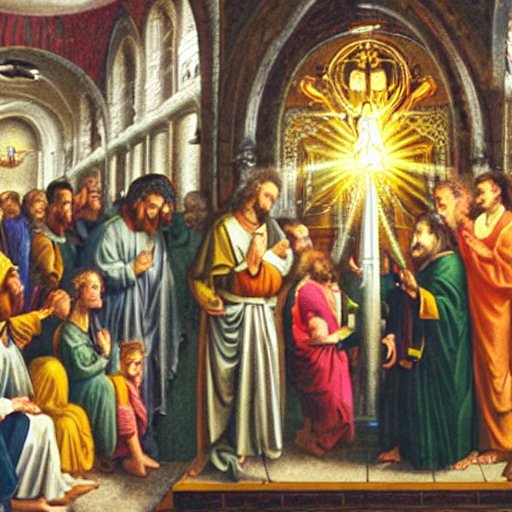
Jesus amidst his disciples, conveying his profound teachings with love and wisdom.

Additional Supporting Bible Verses

“Dear friends, let us love one another, for love comes from God. Everyone who loves has been born of God and knows God.”

1 John 4:7

Body

Love: A Command and a Mission

In John 15, Jesus gives us a new command: to love one another. But this isn’t simply about feeling affection. It’s about selflessly acting for the good of others, just as Jesus laid down His life for us. This love should define our relationships within the church and our interactions with the world.

The Expansiveness of God’s Love

The spread of the Gospel to the Gentiles, as narrated in Acts 11, shows the expansiveness of God’s love. It’s a love that doesn’t discriminate or exclude but embraces all. As we seek to love like Jesus, we are called to love without boundaries.

Conclusion

As we reflect on these passages, let’s strive to embody the love that Jesus commands us to have. A love that acts for the good of others crosses borders and barriers and forms the core of our Christian mission. Amen.

chatGPT

2 Corinthians 13 v11-end, Matthew 28 v16-end

Introduction

Beloved, today we are exploring the final instructions given in 2 Corinthians 13 and the Great Commission as narrated in Matthew 28. Both passages guide us towards unity, maturity in Christ, and our shared mission as Christians.

Main Focus: Unity, Maturity, and Mission

The essence of these passages revolves around the themes of unity among believers, maturity in Christ, and the shared mission to make disciples of all nations. As we delve into these scriptures, we’ll see how these themes are interwoven and integral to our Christian journey.

Context and Insight

In 2 Corinthians 13, Paul concludes his letter to the Corinthian church with a final exhortation to unity, maturity, and peace. He encourages them to live in harmony and to mature in their faith.

In Matthew 28, we find the risen Jesus commissioning His disciples to spread His teachings to all nations, baptizing them and teaching them to obey all He commanded. This passage encapsulates the heart of Christian mission and discipleship.

Additional Supporting Bible Verses

“Until we all reach unity in the faith and in the knowledge of the Son of God and become mature, attaining to the whole measure of the fullness of Christ.”

Ephesians 4:13

Body

Unity Among Believers

Paul’s urging for the Corinthians to “live in peace” calls us to pursue unity in our communities. Christian unity is not merely about avoiding conflict; it’s about actively seeking reconciliation, understanding, and love in our relationships, reflecting the peace of Christ in our interactions.

Maturity in Christ

Both passages also point us towards spiritual maturity. Paul urges the Corinthians to “aim for perfection.” Similarly, in fulfilling the Great Commission, we grow into maturity as we learn to obey all of Christ’s teachings. This journey towards maturity is a lifelong process of becoming more Christ-like in our thoughts, words, and deeds.

The Great Commission

Matthew’s account of the Great Commission is a powerful reminder of our shared mission. As followers of Christ, we are called to make disciples, baptise them and teach them to obey Christ’s commandments. This isn’t just a task for a select few; it’s the calling of every believer.

Conclusion

In reflection, may we strive for unity in our communities, aim for spiritual maturity, and embrace our shared mission to make disciples of all nations. As we seek to live out these principles, we participate in the grand narrative of God’s work in the world, fulfilling our purpose as followers of Christ. Amen.

chatGPT

Acts 2-1-21 and John 7.37-39

Introduction

Dear brothers and sisters in Christ, we gather today to meditate on the Word of God as revealed in Acts 2:1-21 and John 7:37-39. These passages reveal the powerful work of the Holy Spirit in the early church and in the life of believers. As we explore these texts, we will focus on the transforming power of the Holy Spirit and the invitation to be Spirit-filled disciples of Christ.

Emotion: the power of the Holy Spirit descends upon us

Main Focus: The Transforming Power of the Holy Spirit

Both passages highlight the transformative work of the Holy Spirit in believers’ lives. In Acts, we witness the dramatic outpouring of the Holy Spirit at Pentecost, empowering the apostles to boldly proclaim the Gospel. In John, Jesus promises the indwelling of the Holy Spirit, depicting it as living water that brings life and refreshment.

Context and Insight

In Acts 2, the disciples are gathered in Jerusalem for the feast of Pentecost, a Jewish holiday that took place fifty days after Passover. During this gathering, the Holy Spirit descended upon them, enabling them to speak in various languages and boldly proclaim the works of God. This event marked the Church’s birth and its global mission’s commencement.

In John 7, Jesus is at the Feast of Tabernacles, a Jewish festival characterized by joy and thanksgiving for God’s provision. He uses the imagery of living water, an essential resource symbolizing life and renewal, to describe the work of the Holy Spirit that believers would experience.

Additional Supporting Bible Verses

“In the same way, the Spirit helps us in our weakness. We do not know what we ought to pray for, but the Spirit himself intercedes for us through wordless groans.”

Romans 8:26

Body

The Outpouring of the Holy Spirit

The event at Pentecost, as depicted in Acts 2, demonstrates the transformative power of the Holy Spirit. The disciples, once ordinary men, were empowered to proclaim God’s deeds in various languages, signifying the universal nature of the Gospel. As we surrender our lives to Christ, we, too, receive the Holy Spirit, who empowers us to live as witnesses of Christ’s resurrection.

The Indwelling of the Holy Spirit

In John 7, Jesus promises His followers the Holy Spirit, depicted as a stream of living water flowing within believers. This living water symbolizes the Holy Spirit’s refreshing and life-giving presence, bringing spiritual nourishment, transformation, and renewal to our lives. As we trust in Jesus, the Holy Spirit works within us, leading us towards a deeper relationship with God.

Conclusion

As we reflect on these passages, let us be reminded of the vital role of the Holy Spirit in our lives. Let us strive to be continually filled with the Spirit, allowing His transformative power to guide us in our journey of faith. As Spirit-filled disciples of Christ, we are empowered to live out the Gospel and bear witness to God’s love and grace in our world. Amen.

chatGPT

Acts 17.22-31 and John 14.15-21

Introduction

Dear brothers and sisters in Christ, today we gather to reflect on a powerful message in the Bible passages Acts 17:22-31 and John 14:15-21. As we delve into these passages, let us explore the main focus of our sermon: the personal relationship with God through faith, obedience, and the guidance of the Holy Spirit. We will use our knowledge of Christian theology and the Bible to provide context and insight into these verses. Additionally, we will incorporate supporting passages that further illuminate the main focus of our sermon. Our sermon will be structured with a clear introduction, body, and conclusion, with HTML formatting to enhance presentation and readability.

Main Focus: Personal Relationship with God through Faith, Obedience, and the Holy Spirit

In Acts 17:22-31, we witness the Apostle Paul addressing the Athenians at the Areopagus, proclaiming the true identity of the “unknown god” they worshipped. In John 14:15-21, Jesus teaches His disciples about the importance of obedience and love in their relationship with God and promises the coming of the Holy Spirit, the Comforter.

Context and Insight

In Acts 17, Paul is in Athens, a city renowned for its philosophical and religious debates. He seizes the opportunity to reveal the identity of the true God to the Athenians, emphasising God’s desire for a personal relationship with His creation. Paul encourages them to turn away from their worship of idols and embrace faith in Jesus Christ.

In John 14, Jesus speaks to His disciples during the Last Supper, preparing them for His imminent departure. He emphasises the importance of love and obedience in their relationship with God. He promises the coming of the Holy Spirit, who will guide and strengthen them in their spiritual journey.

Additional Supporting Bible Verses

“For those who are led by the Spirit of God are the children of God. The Spirit you received does not make you slaves so that you live in fear again; rather, the Spirit you received brought about your adoption to sonship. And by him, we cry, ‘Abba, Father.’ The Spirit himself testifies with our spirit that we are God’s children. Now if we are children, then we are heirs—heirs of God and co-heirs with Christ, if indeed we share in his sufferings in order that we may also share in his glory.”

Romans 8:14-17

Introduction to the Sermon

Dear brothers and sisters, let us delve deeper into the passages from Acts and John, exploring how we can deepen our relationship with God through faith, obedience, and the guidance of the Holy Spirit.

Seeking God through Faith and Repentance

In Acts 17:22-31, Paul encourages the Athenians to seek God through faith and repentance. We must also recognise our need for God’s grace and embrace a personal relationship with Him, built on faith and trust in Jesus Christ.

Love and Obedience: The Foundation of Our Relationship with God

In John 14:15-21, Jesus emphasises that love and obedience are essential for a deep relationship with God. As followers of Christ, we must strive to obey His commandments and live according to His teachings, allowing the Holy Spirit to dwell within us.

The Holy Spirit: Our Guide and Comforter

Jesus promises that those who love Him and obey His commandments will receive the Holy Spirit (John 14:15-17). The Holy Spirit serves as our Guide and Comforter, empowering us to grow in our relationship with God and navigate the challenges of our spiritual journey. The presence of the Holy Spirit within us helps us discern God’s will, deepening our understanding of His truth and enabling us to bear the fruit of the Spirit (Galatians 5:22-23).

Practical Applications

Cultivating an Authentic Relationship with God

As believers, we should seek to cultivate an authentic relationship with God by spending time in prayer, reading and meditating on His Word, and engaging in fellowship with other believers. By nurturing our relationship with God, we can grow in our faith and experience the transformative power of the Holy Spirit in our lives.

Embracing a Lifestyle of Obedience

Obedience to God’s commandments is a tangible expression of our love for Him. To deepen our relationship with God, we must strive to align our lives with His will, embracing a lifestyle of obedience that reflects our commitment to Him.

Seeking the Guidance of the Holy Spirit

In our spiritual journey, it is essential to seek the guidance of the Holy Spirit. As believers, we must be open to the promptings of the Holy Spirit, allowing Him to direct our paths and mould our character according to the likeness of Christ.

Conclusion

Dear brothers and sisters in Christ, let us remember the powerful message found in Acts 17:22-31 and John 14:15-21. May we endeavour to deepen our personal relationship with God through faith, obedience, and the guidance of the Holy Spirit. As we grow in our understanding of God’s truth and embrace His presence in our lives, we will be better equipped to face the challenges of our spiritual journey and fulfil our divine purpose as followers of Jesus Christ. Amen.